
Missoula Bridge to Nowhere Faces Demolition in Bold River Restoration Push |
City's costly pedestrian link set for removal amid habitat protection efforts and taxpayer concerns |
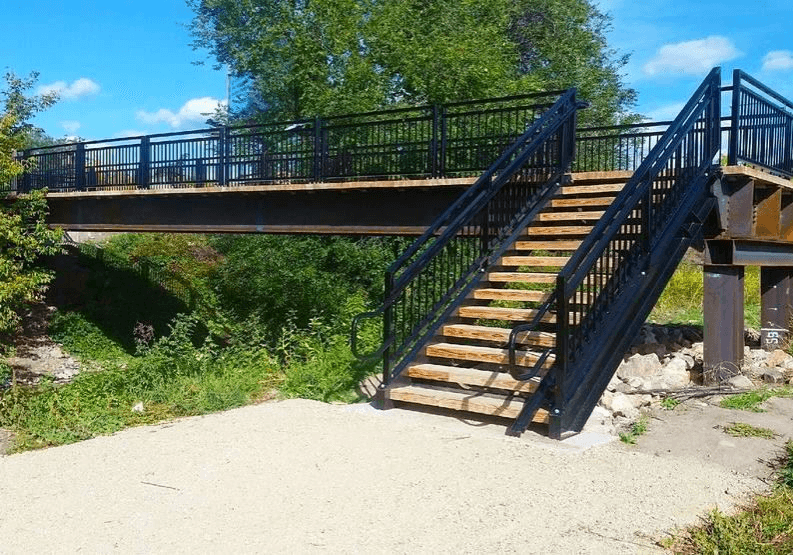
In the heart of Missoula, a pedestrian bridge once hailed as a crime-fighting tool now stands on the chopping block.
The so-called Missoula bridge to nowhere, built less than ten years ago, could soon vanish under a new master plan for the West Broadway River Corridor.
Local officials are pushing this change to prioritize wildlife habitats along the Clark Fork River.
Originally constructed at a steep price of around $800,000, the bridge aimed to boost safe access to West Broadway Island.
Back then, community leaders argued it would curb illegal activities by encouraging more public use of the area.
That vision has shifted dramatically, with the latest draft plan proposing to dismantle the structure entirely.
The removal would cost taxpayers roughly the same amount as its initial build, sparking heated debates among residents.
Critics question the wisdom of spending big to erect something only to tear it down so soon after.
One frustrated local voiced online that it feels like a wasteful cycle of digging holes just to fill them back in.
The plan envisions transforming the corridor into a haven for nature, with widened channels and float-only access to the island.
This move would eliminate land-based entry, protecting sensitive ecosystems from human intrusion.
Supporters see it as a forward-thinking step to restore the river's natural flow and enhance recreational floating experiences.
Recent community feedback sessions have highlighted mixed reactions, with some praising the environmental focus while others decry the financial flip-flop.
As of late 2025, the draft is open for public input, drawing comments on everything from cost efficiency to long-term benefits.
Missoula Parks and Recreation officials emphasize that evolving priorities, like habitat preservation, justify the reversal.
The bridge's history ties back to efforts against transient camps and drug-related issues on the island.
Police backed the original project, believing more foot traffic would naturally deter crime.
Yet this strategy's short lifespan underscores broader challenges in urban planning.
Tax increment financing covered the build, but now removal fits into a $7 million overhaul of the area between McCormick Park and California Street Bridge.
Locals recall warnings from years ago about ballooning costs and potential regrets.
Those early skeptics pointed out how estimates jumped from $500,000 to the final tally.
The controversy simmers as Missoula grapples with balancing development and conservation.
Upcoming reviews by city boards in early 2026 will decide the plan's fate before it reaches the full council.
Residents are urged to weigh in before the comment period closes, shaping what could be a defining project for the city's riverside future.
In nearby developments, similar infrastructure tweaks are underway, like traffic calming in Northside neighborhoods.
These efforts reflect a growing emphasis on sustainable urban spaces amid Missoula's expansion.
Real estate activity around West Broadway shows rising interest in eco-friendly properties near restored natural areas.
New businesses, including outdoor gear shops, are popping up to cater to river enthusiasts.
Clark Fork River restoration could boost tourism, drawing floaters and nature lovers to the enhanced corridor.
However, the bridge saga serves as a cautionary tale about the perils of short-sighted spending.
Community members express hope that lessons learned will lead to smarter investments moving forward.
As winter sets in, discussions heat up over how best to honor both fiscal responsibility and environmental stewardship in Missoula. |
0 Comments
Join the conversation
Be the first to comment
Share your thoughts above.