
Glacier Park's Many Glacier Area Faces Major Flooding as Lake Sherburne Hits Maximum Release |
Record rainfall triggers historic water release, creek erosion, and continued area closures |
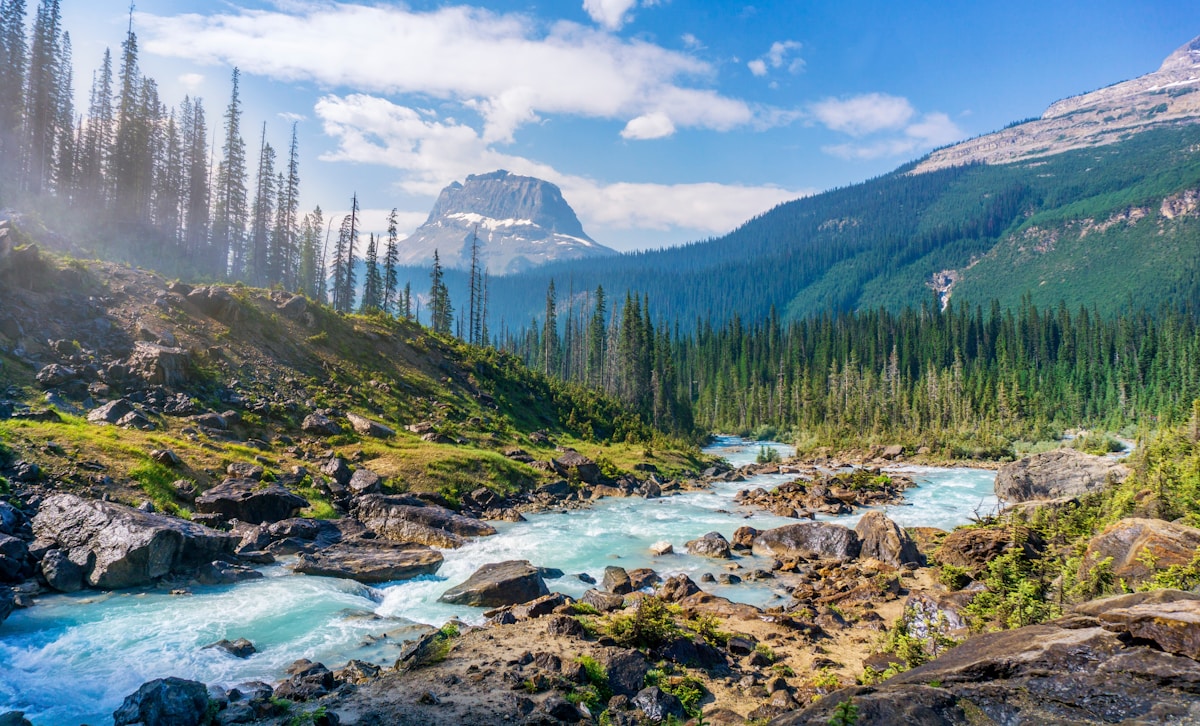
A powerful weekend rainstorm has left Glacier National Park's Many Glacier area underwater, with reservoir operators working around the clock to manage historic water volumes pouring into Lake Sherburne.
The storm dumped nearly 4.5 inches of rain across the Many Glacier watershed starting late Saturday, sending massive runoff into Lake Sherburne—a Bureau of Reclamation facility that stores water from the St. Mary River before diverting it to the Milk River Basin for irrigation.
By Sunday evening, water was pouring into the reservoir at an average of 1,880 cubic feet per second—the highest daily inflow recorded since 2014, according to Lake Sherburne Reservoir Operator Brooks Stephens.
"That rain started late Saturday. However, we didn't start to see those large inflows into Lake Sherburne until late Sunday evening," Stephens explained in a recent interview.
To prevent the reservoir from breaching its spillway, operators immediately opened the dam gates to their maximum release capacity: approximately 2,000 CFS. That's more than triple the typical release rate of 600 CFS during June and July.
"We were only about a half a foot shy from our full pool, which is typical for this time of year," Stephens said. "We were releasing as much as we possibly could to avoid overfilling the reservoir."
The dramatic increase in water release has transformed conditions downstream along Swiftcurrent Creek near Many Glacier. Locals report the creek has swelled far beyond its normal banks, rushing into tree lines and carving away sections of shoreline.
Residents living near the creek say the landscape may never fully recover from the erosion caused by the surge.
The flooding has contributed to the continued closure of the Many Glacier area, where unsafe conditions persist due to high water levels and damaged infrastructure.
Despite the crisis-level water volumes, Bureau of Reclamation officials stress that Lake Sherburne is operating exactly as designed. Crews have remained on-site 24/7, carefully matching outflows with incoming water to keep the reservoir below its spillway threshold.
"Inflows are decreasing coming into Sherburne," Stephens noted. "However, we are still releasing that 2,000 CFS out of the dam, and we'll continue to do that until we start to draft the reservoir and that elevation starts to decrease."
As of Monday, water levels were beginning to slowly recede, but officials expect maximum releases to continue for several more days while the reservoir elevation drops back to safe levels.
For updates on Glacier National Park closures and road conditions, visit the park's official website or follow their social media channels.
Source: Information gathered from KPAX reporting. Original reporting by KPAX staff. |
6 Comments
Join the conversation
If you're headed toward Many Glacier this week, check the park closure updates before driving out. Those dam releases aren't stopping yet.
The erosion sounds awful, though I'm not sure I'd say the landscape will never recover. Creeks can surprise you after a few seasons.
I get why Many Glacier is still closed, but is there any word on which roads or bridges were damaged?
I walked along Swiftcurrent Creek last summer and can't imagine it up in the trees. Hope folks are staying well back from the banks.
Half a foot below full when all that rain came in sounds awfully close. Was there any way to release water sooner?
Those crews staying at Lake Sherburne around the clock deserve some credit. Glad the water is finally starting to go down.